THE EXISTENCE OF GOD
Bertrand Russell claimed, “The Catholic Church has laid it down as a dogma that the existence of God can be proved by the unaided eye.” He added, “They had to introduce it because at one time freethinkers adopted the habit of saying that there were such and such arguments which mere reason might urge against the existence of God.”
Unfortunately, Bertrand’s claim doesn’t tell the whole story.
Centuries before the freethinkers influenced the Roman Catholic Church,
the Biblical writers stated the same things. For example, the Psalmist* wrote,
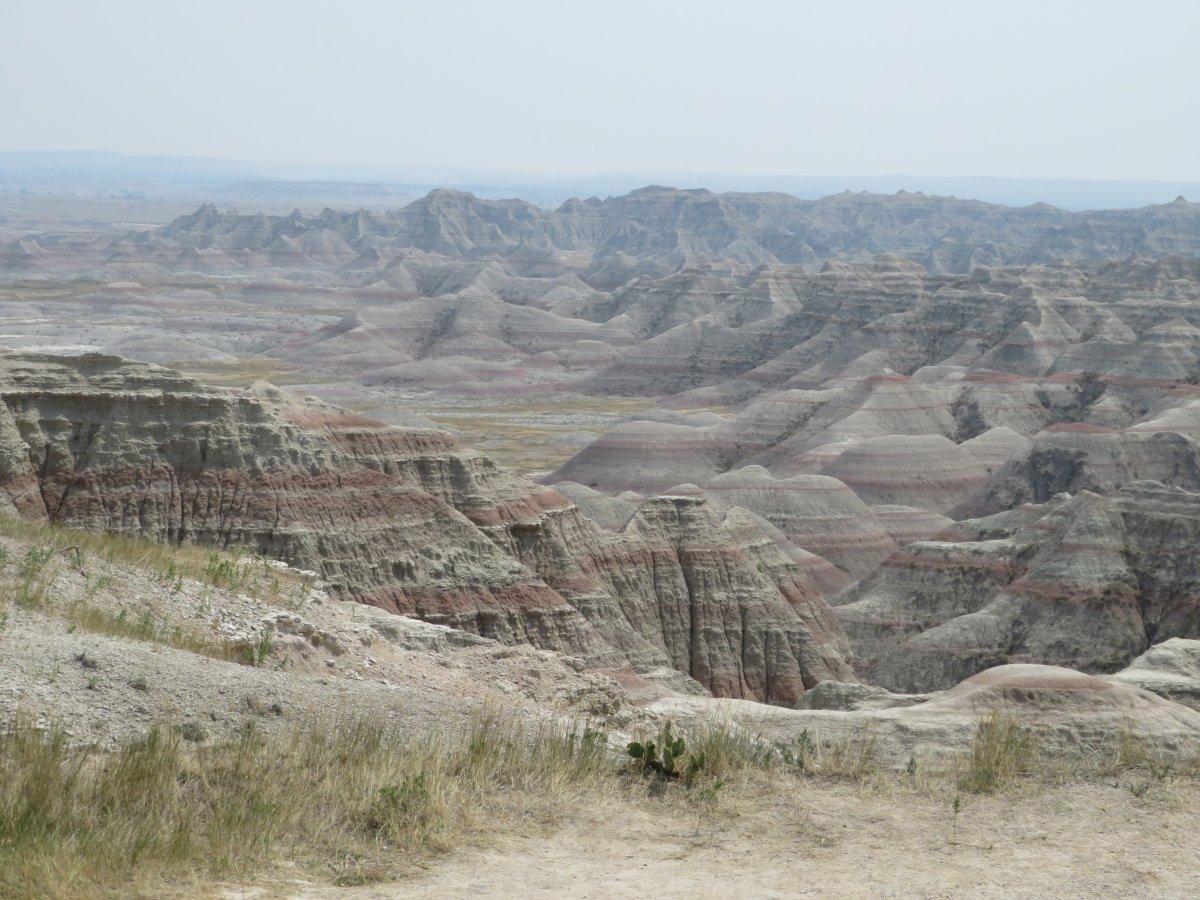
“The heavens declare the glory of God, and the firmament shows his handiwork.” (Psalm 19:1).
To the Psalmist, Nature proclaims that God exists, i.e., The existence of God can be proved by the unaided eye.
The obviousness** of God’s existence was so strong to the Psalmist,
that he further stated, “The fool has said in his heart, there is no God.”
(Psalm 14:1, and Psalm 53:1).
Centuries later, the 1st Century New Testament writer, the apostle Paul, agreed with the Psalmist,
“For the invisible things of him [God] from the creation of the world are clearly seen …” (Romans 1:20a)
Again, God’s handiwork is obvious for all to see.
The Apostle Paul then expanded the psalmist’s claims with,
“Because … they gloried him not as God … their foolish heart was darkened.
Professing themselves to be wise, they became fools.” (Rom 1:21-22).
To Paul, it is not the empirical evidence that turns men away from God.
Rather, it is the hardness of hearts that make men refuse to acknowledge God.
Furthermore, by not acknowledging God’s existence, people turn themselves into morons,
even while they proclaim themselves to be sophisticated.
Therefore, it was not the Roman Catholic theologians, who introduced the idea that,
“The existence of God can be proved by the unaided eye.” It was the Bible.
Bertrand Russell’s essay begins with historical error.
* Historians generally credit this saying to the Jewish King David, nominally around 1000 B.C.
** Some of the details of this obviousness will be expounded later on in this treatise.